
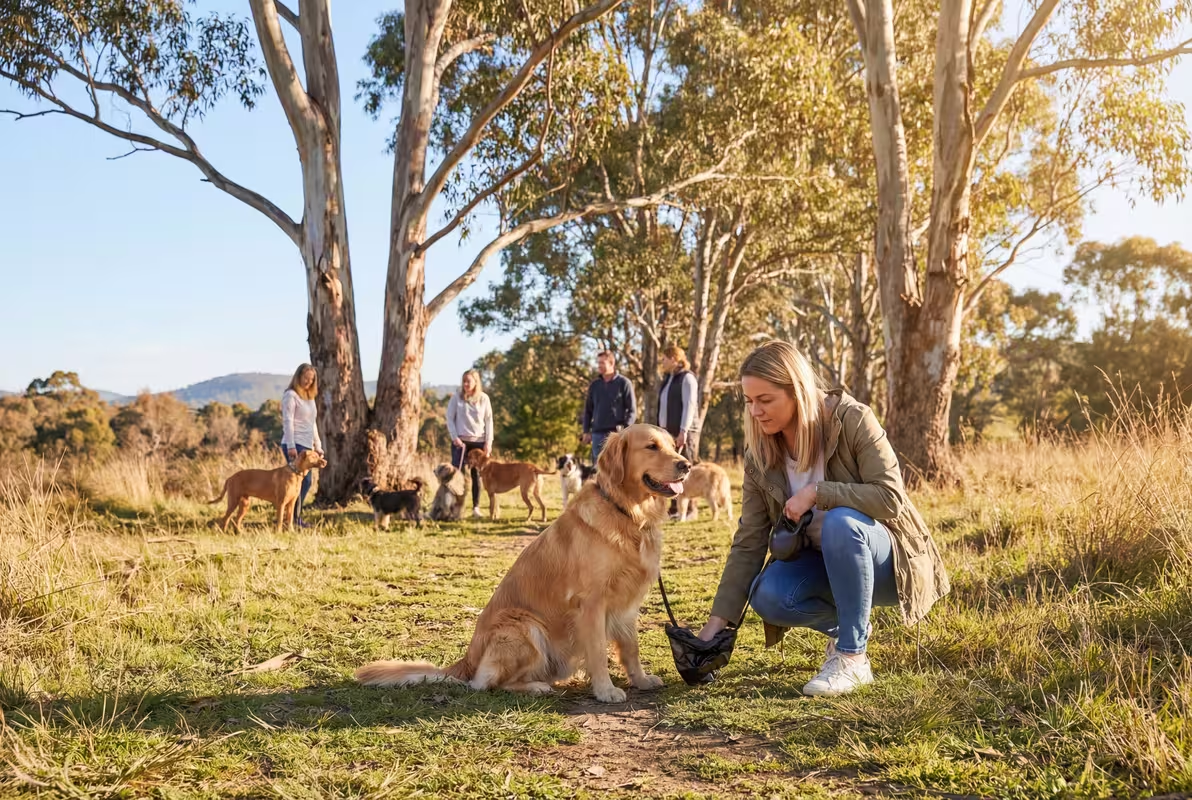
Following the right dog park etiquette rules in Australia makes the difference between a great park visit and an incident. Dog parks are shared community spaces that work best when everyone follows a few basic guidelines. Whether you're a first-time dog park visitor or a veteran, these rules will help ensure a positive experience for all — dogs and humans alike.
1. Always Pick Up After Your Dog
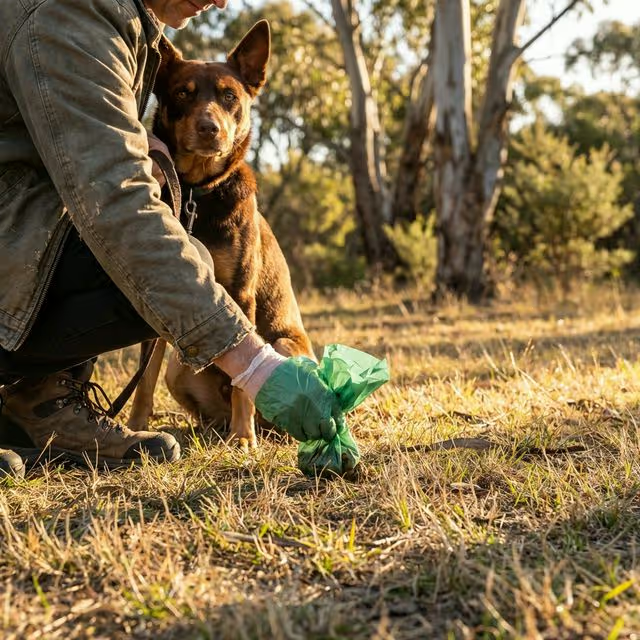
This is the golden rule of dog parks. No exceptions, no excuses. Bring your own bags (don’t rely on park stations being stocked), and clean up immediately. Leaving dog waste makes the park less enjoyable for everyone and can spread disease.
Pro tip: Carry extra bags. You might need more than one, and you can offer spares to owners who’ve run out.
2. Keep Your Eyes on Your Dog
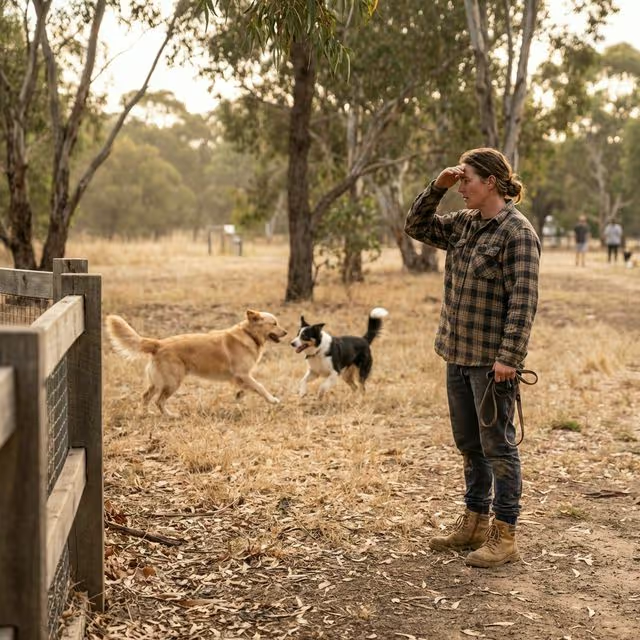
The dog park is not the place to scroll through your phone, take a long call, or read a book. Your dog needs supervision at all times. You should be ready to intervene if:
- Your dog is bullying another dog
- Your dog is being bullied
- A play interaction is escalating
- Your dog is eating something they shouldn’t
Active supervision means standing, watching, and being ready to move. Not sitting on a bench with your back turned.
3. Know When Your Dog Isn’t Ready
Not every dog is suited for off-leash dog park play. Be honest with yourself about your dog’s temperament:
- Aggressive dogs should not be at off-leash parks
- Fearful dogs may need quieter times or smaller group introductions
- Unvaccinated puppies should wait until they’re fully protected
- Dogs in heat should stay home
There’s no shame in leaving if your dog isn’t having a good time. A stressed dog can quickly become a dangerous one.
4. Ask Before Approaching
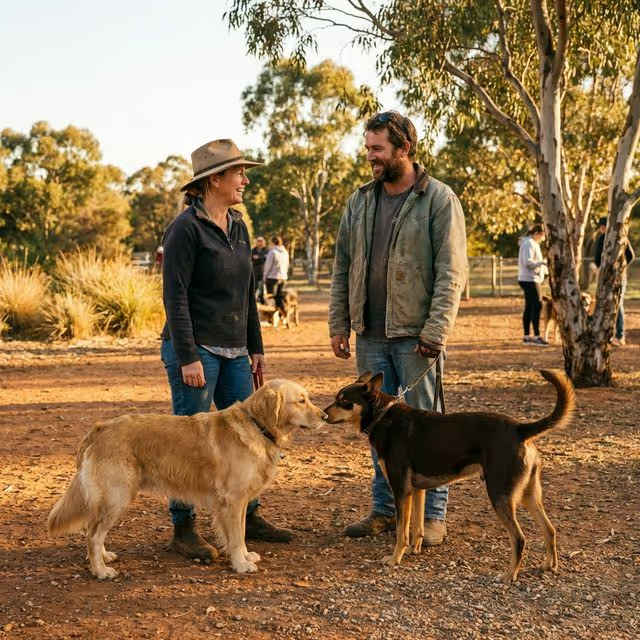
Not all dogs want to meet new friends, and not all owners want their dogs approached. Before letting your dog run up to another:
- Make eye contact with the other owner
- Ask “Is your dog friendly?” or “Can they say hello?”
- Watch body language — both your dog’s and theirs
- Respect a “no” — some dogs need space, and that’s okay
5. Don’t Bring Food or High-Value Treats
While training treats can be useful, bringing food to a dog park can cause problems:
- Other dogs may try to steal food, leading to conflict
- Food aggression can surface unexpectedly
- Some dogs have dietary restrictions or allergies
If you need treats for recall training, use small, low-value ones and be discreet. Never bring your own lunch or snacks into the off-leash area.
6. Control Entry and Exit
The gates are the most dangerous points, especially at fenced parks:
- Close gates behind you — always
- Use double gates properly — close the first before opening the second
- Leash your dog before approaching the exit
- Check for incoming dogs before opening gates
Gate dashing is a common cause of dog escapes. Take your time; it’s worth the extra 10 seconds.
7. Don’t Bring Toys Unless You’re Prepared to Share
Some dogs are toy-obsessed, and bringing a favourite ball or toy can trigger resource guarding — in your dog or others. If you bring toys:
- Accept that other dogs may grab them
- Don’t bring anything you can’t afford to lose
- Be aware of resource-guarding behaviour
- Consider leaving toys in the car for solo play later
8. Intervene Early, Not Late
If your dog is playing too roughly, mounting other dogs, or making another dog uncomfortable, intervene immediately. Don’t wait for the other owner to say something. Signs that play has gone too far:
- One dog is trying to escape while the other pursues
- Excessive pinning or mounting
- Growling that changes from playful to serious
- Yelping or crying
A quick “come” or redirection prevents most escalations.
9. Respect the Space
Dog parks are for dogs. Keep these courtesy rules in mind:
- Don’t bring children into off-leash areas unless they’re comfortable around dogs and you can supervise both
- Don’t take up bench space with bags, blankets, or gear
- Don’t smoke in the park
- Don’t play music loudly
- Don’t let your dog dig excessively — fill in any holes
10. Be Friendly and Communicate
Dog parks are community spaces. A little friendliness goes a long way:
- Introduce yourself to regulars
- Share information about park conditions, events, or concerns
- Warn others politely if you notice a hazard
- Thank owners who help manage situations
The best dog parks have strong communities of owners who look out for each other — and each other’s dogs.
What to Do If Something Goes Wrong
Even with the best etiquette, incidents can happen. Here’s how to handle them:
- Stay calm — panicking makes dogs more anxious
- Separate dogs safely — never put your hands near a dog’s mouth during a fight
- Exchange information if a bite occurs
- Report aggressive dogs to council if necessary
- Seek vet attention for any injuries
The Bottom Line
Dog parks work because of the people who use them. By following these simple etiquette rules, you help create a safe, enjoyable environment for every dog and owner. Be the kind of dog park visitor you’d want to share a park with.
Find your next dog park adventure: Search Dog Park Finder
Got a dog park etiquette tip we missed? We’d love to hear from you!