
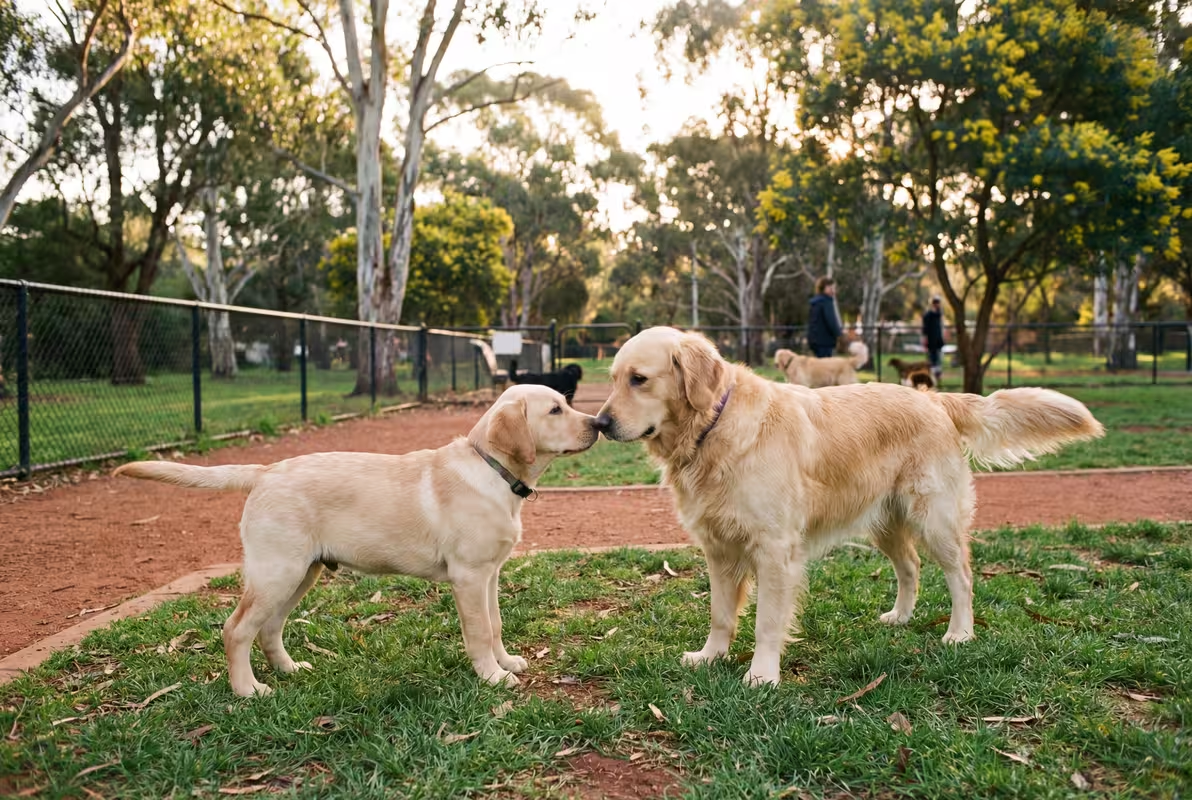
Puppy socialisation at dog parks is very important. The things your puppy learns between 8 and 16 weeks old will shape them for life. Dog parks are great places to learn. But you must use them safely.
This guide shows you how to bring your puppy to the dog park without fear.
When Can Puppies Go to Dog Parks?
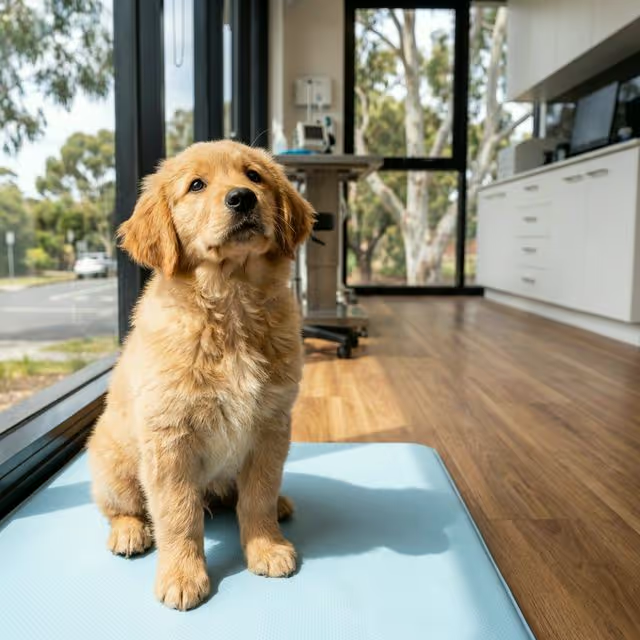
The Vaccine Rules
New owners always ask when it is safe. You have to balance two things:
- Health risk: Puppies without shots can catch bad diseases from the dirt.
- Learning window: Puppies learn best before they turn 16 weeks old.
Most vets suggest this timeline:
- After the second shot (10-12 weeks): Play with vaccinated dogs you know.
- After the third shot (14-16 weeks): You can visit general dog parks.
- Two weeks after the last shot: Full safety.
Safe Play Before Full Shots
You can start early with safe puppy socialisation dog parks trips:
- Puppy school: Clean spaces with healthy dogs.
- Friends’ dogs: Meet in a clean backyard.
- Carry your pup: Hold them at the park. Let them look and listen without touching the ground.
The First Visit
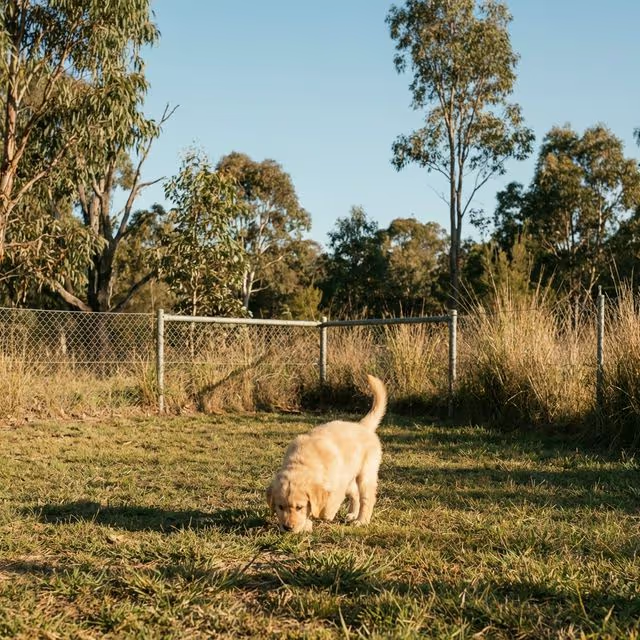
Picking the Best Park
Not all parks are good for puppies. Look for:
- Fences — so your puppy cannot run away.
- Small-dog zones — to keep them safe from big dogs.
- Clean grass — for better health.
- Clear views — so you can watch them easily.
Pick the Right Time
Go when the park is quiet:
- Weekday mornings (9-11 am).
- Avoid busy weekends at first.
- Skip the busy after-work rush.
A quiet park is much less scary for a young dog.
What to Pack
- Tasty treats (small and soft).
- Fresh water and a bowl.
- A favourite toy.
- Waste bags.
Your Training Plan
Week 1: Watch from Outside
Do not go inside yet. Let your puppy:
- Watch dogs through the fence.
- Hear the barking.
- Smell the grass.
Give them treats when they act calm.
Week 2: A Quick Visit
Pick a quiet time and walk inside:
- Keep the lead on.
- Let them sniff around.
- Stay for under 10 minutes.
- Leave while they are happy.
Week 3: Short Play Time
Take the next step:
- Take the lead off to play with a calm dog.
- Watch them closely.
- Step in if play gets rough.
- Stay for 15-20 minutes.
Week 4: Stay Longer
- Meet more dogs.
- Go when it is a bit busier.
- Stay for 30 minutes.
Read Your Puppy’s Feelings
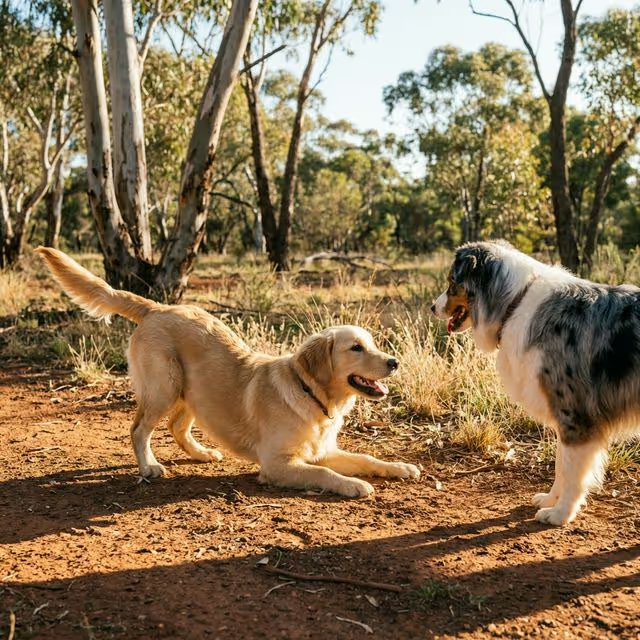
Good Signs (Keep Playing)
- Play bow (front down, back up) — "Let's play!"
- Wiggly body — relaxed and happy.
- Bouncy steps — excited.
Warning Signs (Step In)
- Tucked tail — scared.
- Hiding behind you — overwhelmed.
- Lip licking — anxious.
Red Flags (Go Home)
- Growling at other dogs.
- Shaking in fear.
- Running away to the gate.
Mistakes to Avoid
1. Forcing Play
Never push your puppy toward a dog they fear. Let them choose when to say hello.
2. Going Too Often
Start with 2 or 3 trips a week. Daily visits can tire them out.
3. Staying Too Long
Puppies get tired quickly. Short, happy visits are better than long, scary ones.
Find Safe Parks
Need a safe spot for puppy socialisation dog parks trips? Use Dog Park Finder to search for fenced parks with small-dog zones.
Ready to explore? Find dog parks near you
More Dog Park Guides
- Best Dog Parks in Sydney
- Best Dog Parks in Melbourne
- Best Dog Parks in Brisbane
- Best Dog Parks in Perth
- Best Dog Beaches in Australia
- Fenced Dog Parks Guide
- Summer Dog Park Safety
- Dog Park Etiquette Rules
Have a tip? We’d love to feature it!
🔗 Helpful Resources: For more information, visit RSPCA puppy care guide and Australian Veterinary Association.