
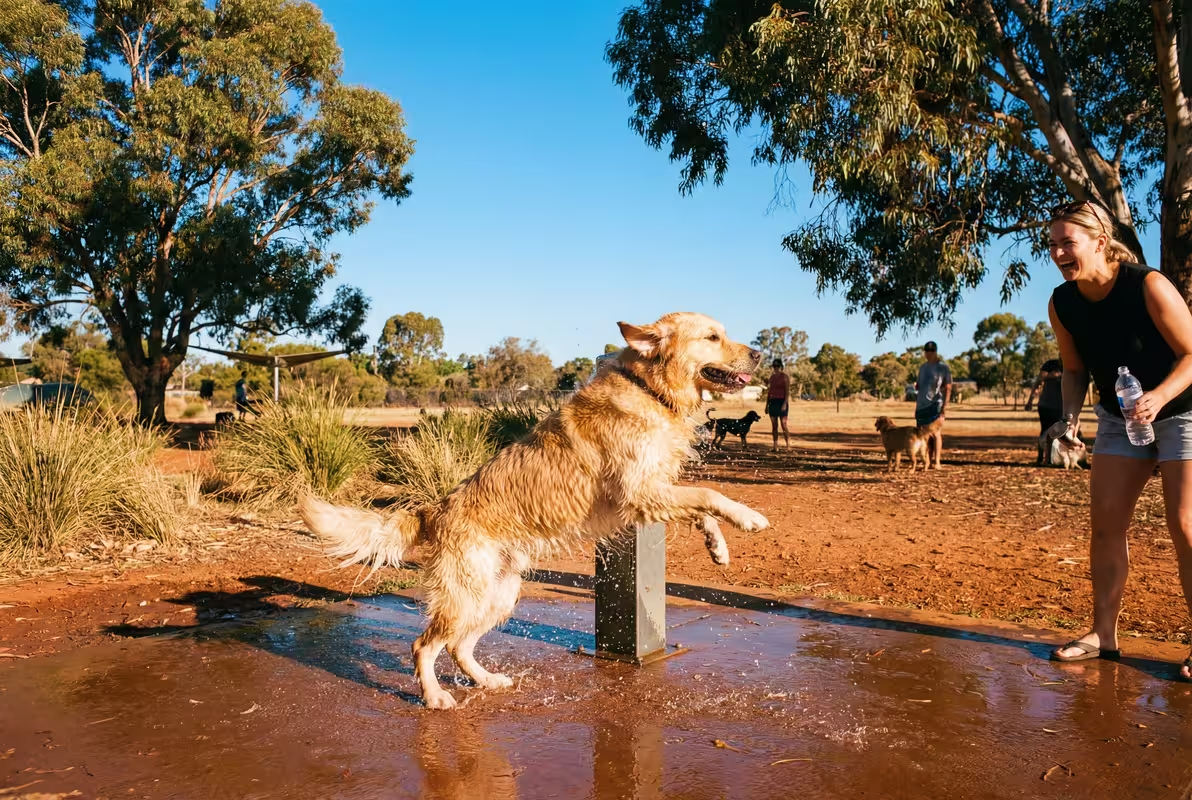
Australian summers are glorious — long days, blue skies, and perfect conditions for outdoor adventures. But summer dog park safety in Australia is a serious concern for our four-legged friends, as the heat can be dangerous and even deadly. Every summer, emergency vets across Australia treat hundreds of dogs for heatstroke, many of which occurred during park visits.
This guide covers everything you need to know about keeping your dog safe at the park during the warmer months.
Understanding Heatstroke in Dogs
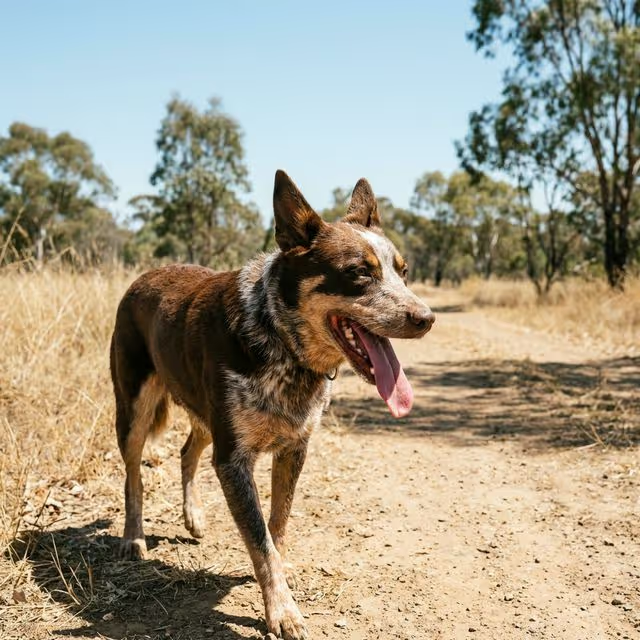
Why Dogs Overheat
Dogs don’t sweat like humans. Their primary cooling mechanisms are:
- Panting: Evaporative cooling through the mouth and tongue
- Limited sweating: Through paw pads only
- Vasodilation: Blood vessels near the skin’s surface dilate to release heat
These mechanisms are far less efficient than human sweating, which means dogs overheat much faster than we do. A temperature that feels “warm but manageable” to you could be dangerous for your dog.
High-Risk Breeds
Some dogs are more susceptible to heat than others:
- Brachycephalic breeds (flat-faced): Bulldogs, Pugs, French Bulldogs, Shih Tzus — their shortened airways make panting less efficient
- Heavy-coated breeds: Huskies, Malamutes, Bernese Mountain Dogs
- Large/giant breeds: Great Danes, Saint Bernards
- Senior dogs: Reduced ability to regulate temperature
- Overweight dogs: Extra insulation traps heat
- Very young puppies: Underdeveloped cooling systems
The Hot Ground Test
Before heading to the park, test the ground with the back of your hand. Place your hand flat on the pavement, path, or surface.
- If you can’t hold it for 7 seconds, it’s too hot for paw pads
- Asphalt can reach 60-70°C on a 35°C day
- Even grass can become uncomfortably warm
Burnt paw pads are painful and take weeks to heal. Always check before you walk.
Safe Summer Park Visit Guidelines
Best Times to Visit
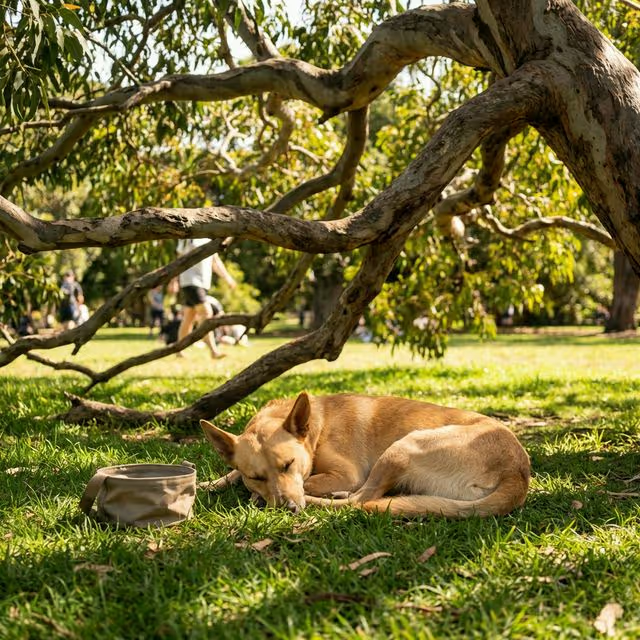
- Early morning (before 8am): Coolest part of the day, ground hasn’t heated up
- Late evening (after 6pm): Temperature dropping, surfaces cooling
- Avoid 10am-4pm: Peak heat and UV exposure
Essential Supplies to Bring
- Fresh water — at least 1 litre per dog per hour
- Collapsible bowl — portable and easy to carry
- Frozen treats — ice cubes, frozen kongs, or frozen broth treats
- Wet towel — for emergency cooling
- Shade structure — portable umbrella if the park lacks shade
- Sunscreen — yes, dogs can get sunburnt! Apply pet-safe sunscreen to noses, ears, and exposed skin
During Your Visit
- Limit vigorous play to 15-20 minute bursts
- Enforce rest breaks in the shade
- Offer water every 10-15 minutes
- Watch for overheating signs (see below)
- Wet your dog’s belly and paws to help cooling
- Stick to grassy areas — avoid hot concrete or asphalt
Warning Signs of Heatstroke
Learn to recognise these signs — they can escalate quickly:
Early Warning Signs
- Excessive, heavy panting
- Drooling more than usual
- Bright red tongue and gums
- Restlessness or agitation
- Seeking shade desperately
Moderate Signs (Act Immediately)
- Lethargy or weakness
- Stumbling or uncoordinated movement
- Vomiting or diarrhoea
- Glazed eyes
- Rapid heartbeat
Severe Signs (Emergency — Get to a Vet NOW)
- Collapse
- Loss of consciousness
- Seizures
- Dark red or purple gums
- No response to commands
Emergency First Aid for Heatstroke
If you suspect heatstroke:
- Move to shade immediately
- Apply cool (NOT cold) water to neck, armpits, and groin
- Place wet towels on your dog — replace frequently as they warm up
- Offer small amounts of cool water — don’t force drinking
- Fan your dog to increase evaporative cooling
- Get to a vet as quickly as possible — even if your dog seems to recover
IMPORTANT: Never use ice or ice-cold water. This can cause blood vessels to constrict, actually trapping heat inside the body and making the situation worse.
Hydration Tips
How Much Water Does Your Dog Need?
As a general rule, dogs need approximately 50-100ml of water per kilogram of body weight per day — more in hot weather and during exercise.
For a park visit on a warm day:
- Small dog (5-10kg): 250-500ml
- Medium dog (10-25kg): 500ml-1L
- Large dog (25-45kg): 1-2L
Creative Hydration Strategies
- Frozen treats: Freeze chicken broth in ice cube trays for flavoured hydration
- Water play: Choose parks with dog-friendly water features
- Wet food: Feed wet food before or after park visits for extra moisture
- Watermelon: A dog-safe, hydrating snack (remove seeds and rind)
Parks with Water Features
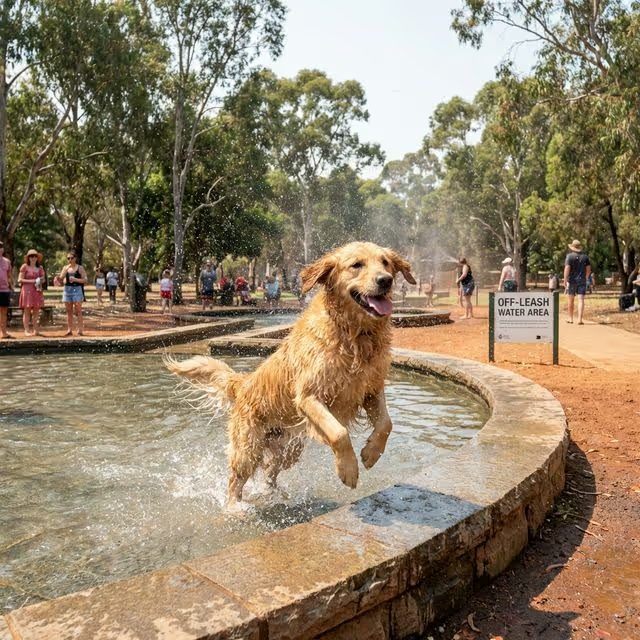
Looking for dog parks with water access for those hot summer days? Many Australian parks feature:
- Dog-friendly water fountains with low bowls
- Splash pads designed for dogs
- Creek or river access for a cool swim
- Beach access for coastal adventures
Use Dog Park Finder to filter parks by water access and find the perfect summer spot.
Summer Park Visit Checklist
Before heading out, run through this quick checklist:
- Temperature check — is it under 30°C?
- Ground temperature test — can you hold your hand on it?
- Packed water and bowl
- Packed frozen treats
- Applied pet-safe sunscreen (if needed)
- Planned visit for coolest part of day
- Know the nearest emergency vet location
- Car has shade or air conditioning for travel
The Bottom Line
Summer doesn’t have to mean the end of dog park fun. With proper precautions, timing, and preparation, you and your pup can enjoy Australia’s beautiful parks all year round. The key is knowing your dog’s limits, watching for warning signs, and always prioritising safety over exercise.
Find dog parks with shade and water near you: Search Dog Park Finder
Stay safe out there, and give your pup an extra belly rub from us! 🐾